
 See Our Latest Article on HelloNation
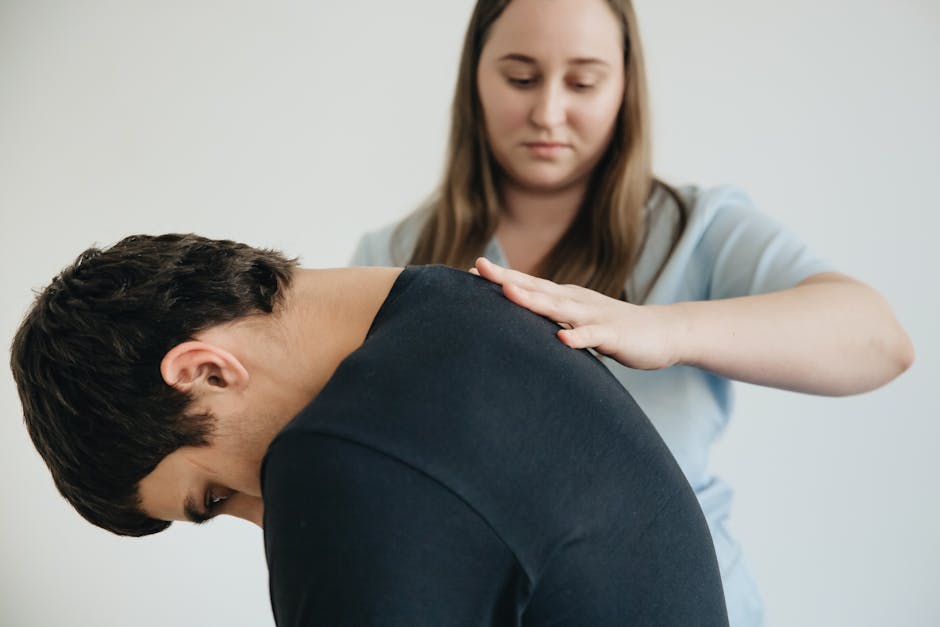
If you've ever experienced a popping, clicking, or cracking sound from your shoulder during daily activities or workouts, you're not alone. Residents throughout Lockport, NY often ask, "Why is my shoulder popping?" The answer is more common than you think—and usually, it's no immediate cause for alarm. However, as a trusted chiropractor serving the Lockport community, I'll break down the causes behind that strange noise, outline when you should see a professional, and provide practical solutions especially suited to the local lifestyle.
Understanding Shoulder Anatomy
The shoulder is a highly mobile and complex joint, allowing a wide range of motion as you garden, shovel snow in winter, kayak along Lockport’s canals, or play in local sports leagues. This flexibility comes at a price—the shoulder is more vulnerable to various conditions that could cause popping or clicking.
The main components of your shoulder include:
- The humerus (upper arm bone)
- The scapula (shoulder blade)
- The clavicle (collar bone)
- The rotator cuff muscles and tendons
- The labrum (cartilage ring around the socket)
- Ligaments and bursae (fluid-filled sacs)
Understanding how these parts interact helps us see why popping noises happen.
Common Causes of Shoulder Popping
Not all shoulder pops signal trouble, but here are the most frequent reasons Lockport residents might notice this sensation:
1. Cavitation (Gas Bubbles)
Just as knuckle cracking is caused by the release of gas bubbles from the joint, the same can happen in your shoulder. This is usually harmless and painless, and is often noticed during stretching or overhead movements.
2. Tendon Movement
Your shoulder has several tendons that may "snap" or shift slightly over the bone as you move. This is especially common when using repetitive motions, like raking leaves, carrying groceries along East Avenue, or swinging a snow shovel after a Lockport snowfall.
3. Labral Tears
The labrum is a ring of cartilage that stabilizes your shoulder joint. Injuries to the labrum, common in athletes (including Lockport High School teams!), can create a deep pop or snap, usually accompanied by pain, loss of strength, or even a feeling like the shoulder might "catch" or "lock."
4. Bursitis or Tendinitis
Inflammation of the shoulder’s bursae or tendons can also cause popping sensations. These overuse injuries may develop slowly over weeks—perhaps after repeated lifting at one of Lockport’s manufacturing plants or months of gardening at home.
5. Rotator Cuff Injuries
Rotator cuff strains or tears not only cause popping but are usually associated with weakness and shoulder pain, especially when reaching overhead or lifting.
6. Arthritis
As we age, or after years of active living in Lockport, the cartilage in the shoulder can wear down, leading to popping, grinding, or crunching sensations.
When Is Shoulder Popping a Problem?
If your shoulder pops painlessly and with no loss of function, it’s usually no cause for concern. But you should consult a chiropractor or healthcare provider in Lockport if you notice:
- Pain accompanying the popping
- Swelling or warmth around the joint
- Weakness or reduced range of motion
- The shoulder feels unstable, catches, or locks in place
- Noticeable bruising or deformity after an accident
How the Lockport Lifestyle Plays a Role
Lockport offers plenty of seasonal activities—spring gardening, boating on the Erie Canal, fall yard work, and winter snow clearing. Each of these lifestyle factors can contribute to repetitive stress or make pre-existing minor injuries worse. Staying active is vital, but it also means shoulder popping is common here.
For example, shoveling heavy snow after a Western New York storm puts significant strain on the shoulders and may lead to tendon issues or bursitis. In summer, paddling or overhead tasks like painting and window washing can prompt more complaints about shoulder noises.
Solutions: What You Can Do About Shoulder Popping
Here are steps you can take to reduce shoulder popping and keep your joint healthy, tailored for Lockport’s active community:
1. Warm Up and Stretch
Before jumping into chores or sports, gently warm up your body. Dynamic stretches, arm circles, and light resistance exercises prepare the shoulder muscles and tendons for activity.
2. Strengthen the Rotator Cuff
Focus on targeted exercises to build stability and strength around the joint. Examples include:
- External rotation with a resistance band
- Scapular retractions (“pinching” shoulder blades back)
- Light dumbbell shoulder exercises
3. Use Proper Technique
Whether you’re shoveling, raking, or lifting, keep movements smooth and controlled. Avoid repetitive overhead motions when possible, and take breaks to rest your shoulders.
4. Apply Ice After Activity
If you notice soreness or inflammation after activity, apply an ice pack to the area for 15-20 minutes to calm swelling.
5. Adjust Your Workstation or Ergonomics
For those working at the Lockport Industrial Park or spending hours at a desk, ensure your chair and computer setup support proper posture—and keep your shoulders relaxed.
6. Listen to Your Body
If an activity consistently triggers pain or popping, modify it or give yourself more recovery time. Ignoring persistent symptoms can lead to more serious injuries.
When to See a Shoulder Care Professional in Lockport
Persistent or painful shoulder popping deserves an expert evaluation. Chiropractors frequently help Lockport residents uncover the root causes of joint noises, improve mobility, and develop customized rehabilitation plans.
A chiropractic assessment will:
- Examine joint alignment and muscle balance
- Use hands-on adjustments or gentle therapies to relieve tension or inflammation
- Provide tailored exercises and ergonomic advice
If further imaging or a specialist referral is needed, your chiropractor can guide you toward the right resources in the Lockport area.
Conclusion
While shoulder popping is often a harmless side effect of an active Lockport lifestyle, it’s important to distinguish between benign sounds and signs of something more serious. Awareness, proper self-care, and professional guidance can keep you enjoying local activities year-round—without worry. If you’re dealing with persistent, painful, or accompanied symptoms, don’t hesitate to reach out to a trusted local chiropractor for answers and relief.
