
 See Our Latest Article on HelloNation
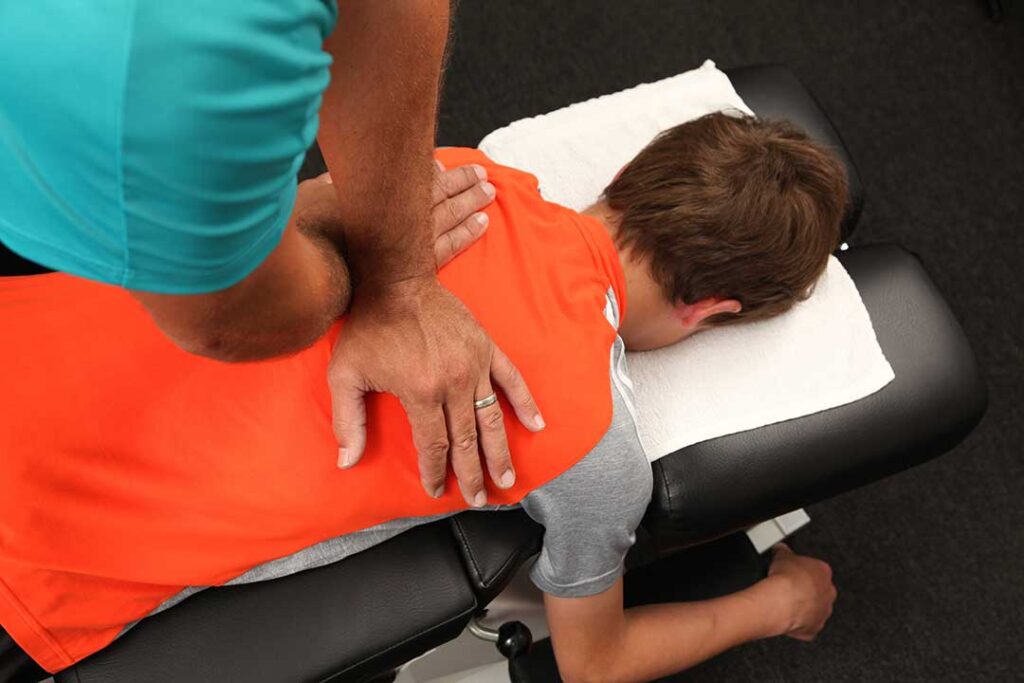
Waking with back pain can make the first movement of the day feel surprisingly difficult. The safest approach is usually to avoid sitting straight up or twisting quickly. Instead, roll onto your side, move your legs toward the floor, and use your arms to help push your body upright.
For many people, morning stiffness improves as the back begins to move. However, severe, persistent, or radiating pain may need medical evaluation rather than repeated attempts at self-care.
What is the safest way to get out of bed with back pain?
The “log-roll” method reduces bending and twisting through the lower back:
1. Pause before moving. Take a few slow breaths and notice whether the pain is mild stiffness or sharp, electric, or spreading pain.
2. Bend your knees slightly. Keep your feet supported on the mattress.
3. Roll onto your side as one unit. Move your shoulders, hips, and knees together instead of twisting the waist.
4. Slide your legs over the edge. Let the legs move toward the floor while keeping the torso aligned.
5. Push up with your arms. Use the forearm and hand closest to the mattress to help lift the upper body.
6. Sit briefly before standing. Place both feet firmly on the floor, then rise using the legs rather than pulling sharply with the back.
A bed rail, sturdy bedside surface, or nearby chair may provide temporary support, but it should be stable and designed to bear body weight. Avoid grabbing a lightweight table or rolling nightstand.
Why does the back often hurt more in the morning?
Morning pain may reflect several factors rather than one specific problem. Staying in one position for hours can make muscles and joints feel stiff. A mattress or pillow that allows the spine to sag or rotate may also increase discomfort. Previous lifting, yard work, prolonged sitting, or an awkward sleeping position can become more noticeable after a period of inactivity.
Seasonal habits may contribute as well. In Lockport, winter conditions can lead people to spend more time indoors, sit for longer periods, or wake with muscles feeling guarded after a cold night. Snow removal and other strenuous household tasks can also strain the back, particularly when lifting, twisting, or working quickly.
Morning pain does not automatically mean that the spine is “out of alignment.” It may involve irritated muscles, joints, discs, nerves, or unrelated conditions. The pattern of pain and accompanying symptoms matter more than the time of day alone.
What should you do after standing up?
Once upright, avoid immediately bending forward to put on clothing or lift something from the floor. Stand tall without forcing the back into an exaggerated arch. Take a few short steps around the room, allowing the hips and back to move gradually.
Helpful early-morning options may include:
- Gentle walking for several minutes
- Slow shoulder and hip movements
- A warm shower or carefully applied heat for muscle stiffness
- Delaying heavy lifting until the back feels less guarded
- Keeping frequently used items between waist and shoulder height
Bed rest for long periods is generally not helpful for ordinary back pain. Most uncomplicated episodes improve with continued, tolerable movement rather than complete inactivity. Self-care commonly includes gentle activity, heat or cold, and avoiding movements that clearly worsen symptoms. ([mayoclinic.org](https://www.mayoclinic.org/diseases-conditions/back-pain/symptoms-causes/syc-20369906?utm_source=openai))
Stretching should feel mild, not forceful. A stretch that produces sharp pain, leg symptoms, or increasing muscle spasm is a reason to stop. Exercises appropriate for one person may aggravate another, especially when nerve irritation or a disc problem is involved.
Should you change your sleeping position?
Changing position may help, but there is no single posture that works for everyone. Side sleeping with a pillow between the knees can reduce rotation through the pelvis. Back sleeping with a pillow under the knees may make it easier for some people to relax the lower back.
Stomach sleeping can increase strain for some individuals because the head must remain turned and the lower back may arch. If it is the only position that allows comfortable sleep, a gradual adjustment is usually more realistic than forcing a new posture overnight.
A new mattress is not automatically the answer. Before replacing bedding, consider whether the current setup causes the hips to sink substantially, prevents comfortable turning, or leaves the neck and spine poorly supported. The most useful arrangement is one that allows reasonably comfortable sleep and easy position changes.
When is morning back pain a warning sign?

Seek urgent medical care for back pain accompanied by new loss of bladder or bowel control, numbness around the groin or inner thighs, significant leg weakness, fever, or pain after a serious fall or other injury. These symptoms can indicate a condition requiring prompt assessment. ([mayoclinic.org](https://www.mayoclinic.org/diseases-conditions/back-pain/symptoms-causes/syc-20369906?utm_source=openai))
Medical evaluation is also appropriate when pain:
- Travels down one or both legs, especially below the knee
- Causes persistent numbness, tingling, or weakness
- Is severe, constant, or increasingly worse
- Is worse at night or when lying down
- Occurs with unexplained weight loss or a history of cancer
- Does not begin improving after several weeks of reasonable self-care
A chiropractor, physician, physical therapist, or other qualified healthcare professional may assess movement, strength, sensation, and the likely source of symptoms. Imaging is not needed for every episode, but persistent or concerning symptoms may change what evaluation is appropriate.
Can chiropractic care help with difficulty getting out of bed?
Chiropractic care may be considered as one part of conservative management for some mechanical back-pain conditions. A proper evaluation should come before forceful manipulation, particularly when pain is new, severe, spreading into a leg, or associated with numbness or weakness.
The goal should be to understand which movements are limited, identify aggravating activities, and support a gradual return to normal function. Treatment should not delay urgent medical assessment when red-flag symptoms are present. A person with osteoporosis, recent trauma, infection symptoms, or significant neurological changes may require a different form of evaluation first.
How can residents reduce the chance of a painful first movement?
The most practical prevention step is to avoid starting the day with a sudden combination of bending, twisting, and lifting. Keep the first few minutes predictable: roll to the side, sit, stand, walk briefly, and then begin ordinary tasks.
On days involving snow, outdoor chores, or moving household items, use smaller loads and turn the whole body instead of twisting while carrying. Take breaks before fatigue changes lifting technique. If pain repeatedly returns after sleeping, track the position, previous day’s activities, and symptoms in the legs or back. That pattern can provide useful information during a clinical evaluation.
A painful morning does not always signal serious damage, but it should not be ignored when symptoms are progressive, neurological, or accompanied by illness. The safest first step is controlled movement, followed by attention to how the symptoms behave over the rest of the day.
