
 See Our Latest Article on HelloNation
Joint inflammation can cause aching, swelling, warmth, stiffness, or reduced range of motion. In Lockport, NY, seasonal cold, snow removal, slippery walkways, gardening, and long periods of indoor inactivity can all affect how joints feel. The most useful natural strategies usually combine gentle movement, strength, restorative habits, temperature therapy, and attention to warning signs.
Natural approaches may ease symptoms, but they do not identify the cause of inflammation. Arthritis, gout, an injury, infection, autoimmune disease, and overuse can require very different care.
What does joint inflammation feel like?
Inflammation often produces swelling, warmth, tenderness, stiffness, or pain that increases when the joint moves. Some people notice stiffness after waking, while others feel worse after repetitive activity or prolonged sitting.
The pattern can offer clues:
- Pain that develops gradually with activity may occur with osteoarthritis or overuse.
- Sudden, intense pain in one hot, swollen joint may occur with gout or another acute condition.
- Stiffness lasting more than 30 minutes in the morning, especially in several joints, can suggest an inflammatory form of arthritis.
- Pain after a fall, twist, or impact may indicate a sprain, strain, or other injury.
Symptoms alone cannot confirm the cause. Persistent or recurring swelling deserves medical evaluation rather than repeated self-treatment.
Can gentle exercise reduce inflammation and joint pain?
Yes. Regular, joint-friendly movement can reduce pain, improve function, and help prevent stiffness. Complete rest often makes joints weaker and less mobile, although a painful flare may require a temporary reduction in activity.
Begin with five to ten minutes and increase gradually. Useful options include:
- Walking on an even surface
- Stationary cycling
- Swimming or water exercise
- Gentle yoga or tai chi
- Light gardening with frequent position changes
- Resistance bands or light weights
For residents managing icy sidewalks or heavy snow, indoor walking, simple mobility exercises, and seated strength work can provide safer alternatives during poor weather. Short sessions spread throughout the day may be more comfortable than one long workout.
A helpful guideline is to keep activity at a level that does not cause sharp pain, limping, or a substantial increase in swelling. Mild temporary soreness can occur when beginning a new routine, but symptoms should settle rather than steadily worsen.
How should heat and cold be used?
Heat and cold can serve different purposes. Heat may be more comfortable for stiffness, while cold can help temporarily reduce pain and swelling after activity.
For stiffness, try a warm shower, heating pad, or warm compress for about 15 to 20 minutes. Avoid falling asleep with a heating pad, and use a comfortable temperature rather than intense heat.
For a swollen or irritated joint, use a cold pack wrapped in a thin towel for up to 20 minutes at a time. Allow the skin to return to its normal temperature before repeating. Do not place ice directly on the skin.
People with reduced sensation, circulation problems, or certain nerve conditions should use extra caution with temperature therapy. A numb or unusually pale area is a reason to stop.
Does diet affect joint inflammation?
Diet cannot cure every form of arthritis, but an overall balanced eating pattern may support a healthier body weight and reduce strain on weight-bearing joints. Meals built around vegetables, fruit, beans, whole grains, fish, nuts, and unsaturated fats are generally more supportive than a pattern dominated by highly processed foods, excess added sugar, and frequent sugary drinks.
Weight changes should be approached without blame. Even modest weight loss can reduce pressure on the knees, hips, feet, and lower back for people who carry excess weight. The goal is not a crash diet; gradual, sustainable changes are more realistic.
Turmeric, fish oil, and other supplements are often promoted for inflammation. Evidence varies, and “natural” does not mean risk-free. Supplements may interact with blood thinners, diabetes medicines, anti-inflammatory drugs, or other treatments. Turmeric products have also been associated with digestive symptoms and, in some formulations, liver problems. Discuss supplements with a qualified health professional before using them regularly, especially during pregnancy, while nursing, or when taking prescription medication.
Can sleep and stress influence joint symptoms?

Poor sleep can increase pain sensitivity, reduce energy, and make normal activity feel more difficult. A regular sleep schedule, a comfortable bedroom temperature, and a brief wind-down routine may help. Gentle stretching or slow breathing before bed can be useful when tension contributes to discomfort.
Stress does not mean that pain is imaginary. Stress can influence muscle tension, sleep quality, recovery, and how strongly the nervous system responds to pain. Relaxation breathing, mindfulness, quiet walking, and enjoyable social activity may complement movement and other treatments.
How can chiropractic care fit into a natural approach?
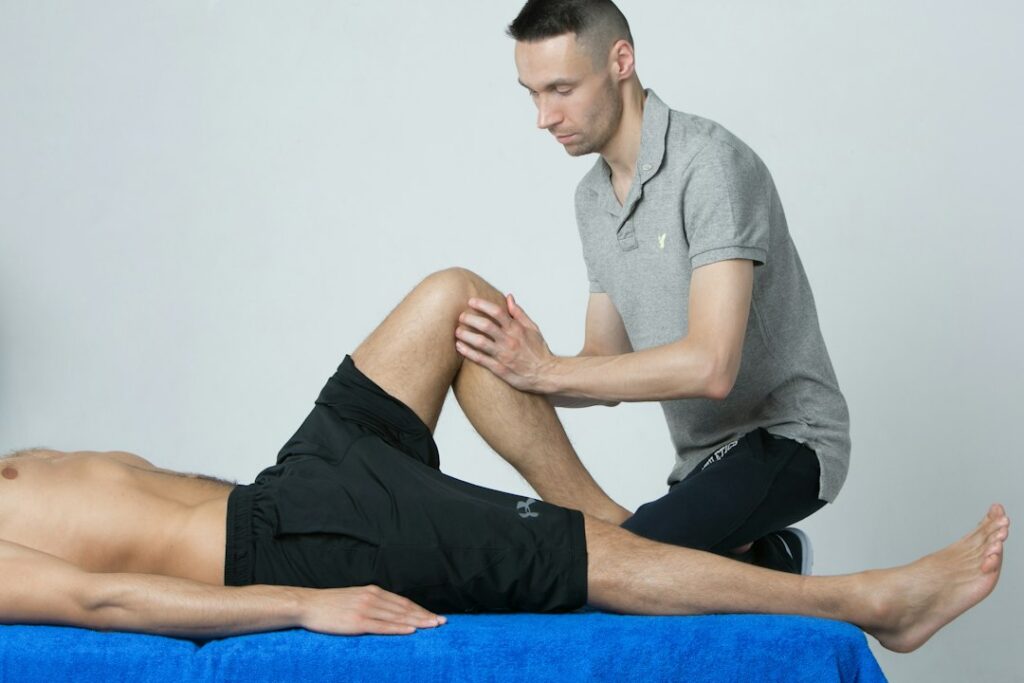
Chiropractic care may be used as part of a broader plan for some musculoskeletal problems, particularly when joint discomfort is connected with restricted movement, muscle tension, or mechanical strain. Education about posture, activity modification, mobility, and gradual strengthening can also support self-management.
It should not be treated as a universal remedy for joint inflammation. A hot, acutely swollen joint, unexplained widespread symptoms, progressive weakness, or signs of infection requires appropriate medical assessment. Manipulation is not suitable for every person or every condition, and techniques should be adapted to the individual’s health history, medications, bone health, and symptoms.
What everyday habits protect irritated joints?
Joint protection means reducing unnecessary strain without avoiding movement altogether. Helpful adjustments include:
- Break repetitive chores into shorter blocks.
- Alternate standing, walking, and sitting.
- Use a stable surface when stepping outdoors in winter.
- Avoid carrying heavy loads on one side of the body.
- Use supportive footwear for walking and household tasks.
- Warm up before shoveling, lifting, or outdoor work.
- Push snow when possible rather than repeatedly lifting it.
- Change position regularly during television, computer, or driving time.
After a flare, return to normal activity gradually. A sudden jump from inactivity to heavy shoveling, intensive yard work, or vigorous exercise can aggravate symptoms even when the activity itself is healthy.
When should joint inflammation be checked promptly?
Seek urgent medical care for a joint that is hot, red, severely swollen, and difficult to move, especially with fever, chills, or feeling unwell. Prompt evaluation is also appropriate after a serious injury, when a joint looks deformed, when weight-bearing is impossible, or when numbness or loss of sensation occurs.
Arrange a routine medical evaluation when pain affects sleep or normal activities, swelling keeps returning, symptoms continue beyond about two weeks of home care, or morning stiffness lasts more than 30 minutes. Early assessment is particularly valuable for inflammatory arthritis because treatment may help prevent lasting joint damage.
Natural care works best as a consistent, measured routine rather than a single remedy. Tracking which activities, foods, weather conditions, and recovery habits affect symptoms can make patterns easier to recognize and discuss during an evaluation.
