
 See Our Latest Article on HelloNation
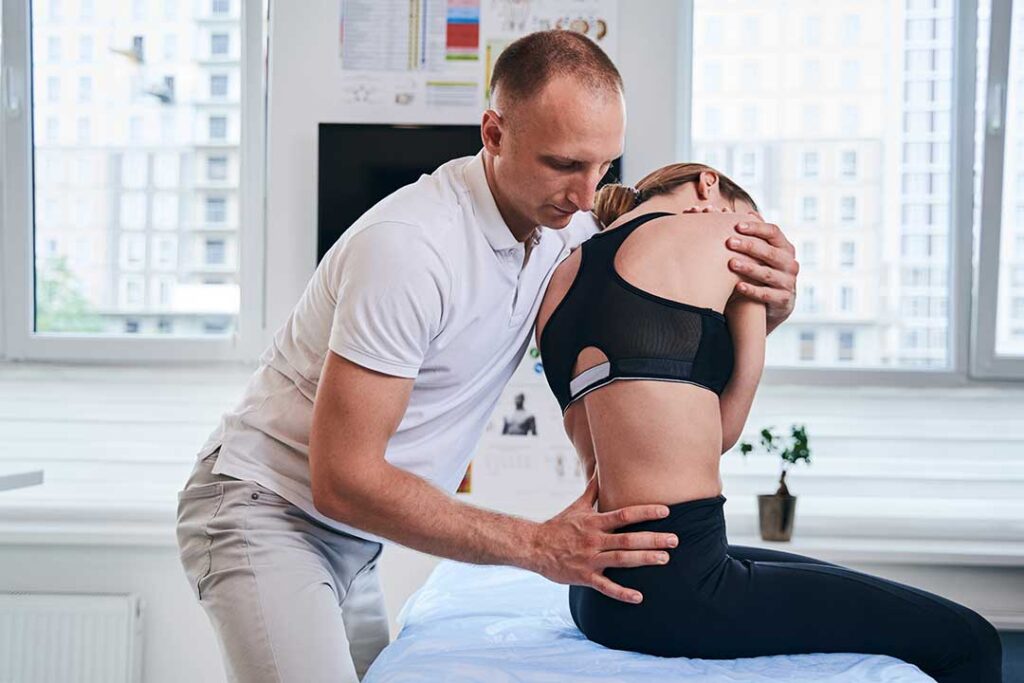
Back pain is common, but many popular explanations are incomplete or misleading. Some people assume pain always means serious damage, while others believe that rest, stretching, or a scan is automatically the answer.
For residents of Lockport, NY, everyday factors such as winter footing, snow removal, home maintenance, commuting, desk work, and physically demanding jobs can all influence how back pain begins or lingers. Understanding what the pain does—and does not—mean can help people make safer decisions.
Does back pain always mean something is seriously wrong?
Usually, no. Most short-term low back pain is related to irritated muscles, joints, ligaments, discs, or nearby nerves and improves over time. Pain can be intense without indicating a dangerous injury.
A sudden painful episode may follow:
- Lifting or carrying something awkwardly
- Twisting while shoveling or clearing a walkway
- Slipping on ice
- Sitting for long periods
- Repeating the same movement at work or home
- Becoming less active during colder months
Severity alone does not identify the cause. However, back pain should be evaluated promptly when it follows major trauma, occurs with fever, unexplained weight loss, a history of cancer, or progressive weakness or numbness.
Is bed rest the best treatment?
Extended bed rest is usually not helpful for ordinary back pain. Remaining still for too long can increase stiffness, reduce strength, and make normal movement feel more threatening.
Gentle activity is generally preferable when it can be done safely. That may include walking around the house, changing positions regularly, completing basic daily tasks, or performing comfortable movements. Temporary rest may be reasonable during a severe flare, but the goal is usually to resume ordinary activity gradually rather than remain in bed for several days.
Movement should not be forced through sharp, worsening, or radiating pain. A person who cannot stand, walk, or find a tolerable position may need medical assessment.
Does exercise damage an already painful back?
Not necessarily. Carefully selected movement often helps recovery and can improve confidence, strength, coordination, and tolerance for daily activities.
The myth develops because some exercises can aggravate symptoms when they are too intense, performed with poor technique, or introduced at the wrong time. A demanding workout, heavy snow shovel, or sudden return to strenuous activity may be inappropriate during an acute flare.
A safer approach is to begin with manageable activity and increase gradually. Walking, position changes, gentle mobility work, and later strengthening may be useful for many people. The right movement depends on symptoms, health history, fitness level, and whether pain travels into an arm or leg.
Exercise should be adjusted if it causes steadily increasing pain, new weakness, spreading numbness, or loss of coordination.
Does a painful back mean a disc is “out of place”?
Usually, no. Spinal discs do not typically slip out of place like a drawer. A disc may bulge, develop a tear, or herniate, but these findings do not always cause symptoms.
Many people have disc or joint changes without pain. Conversely, someone may have significant discomfort without a major structural abnormality. Back pain is often influenced by several factors at once, including irritated tissues, muscle guarding, sleep disruption, stress, activity changes, and sensitivity of the nervous system.
This is why a diagnosis should not be based only on the location of pain or on a single phrase from an imaging report.
Do MRI and X-ray scans always identify the cause?
No. Imaging can be valuable when serious conditions are suspected, after significant trauma, or when symptoms persist with specific neurological findings. It is not routinely useful for every new episode of uncomplicated low back pain.
Scans commonly show age-related changes such as disc wear, small bulges, or arthritis. These findings may be present in people who feel perfectly well. If treated as proof of damage, they can create unnecessary fear and lead someone to avoid safe movement.
Imaging decisions should consider the entire situation: how long symptoms have lasted, whether they are improving, the presence of weakness or numbness, injury history, age, medical conditions, and whether the result would change treatment.
Is poor posture the single cause of back pain?
Posture can influence symptoms, but there is rarely one perfect position or one posture responsible for all back pain. Staying in the same position for a long time may be more problematic than having a particular sitting or standing posture.
For example, a person working at a computer may develop discomfort after several hours without changing position. Another person may notice pain after prolonged driving, bending over household tasks, or standing on a hard surface. The issue may involve duration, repetition, workload, recovery, and general conditioning rather than posture alone.
Helpful changes can include alternating sitting and standing, moving briefly every 30 to 60 minutes, keeping frequently used items within easy reach, and using equipment that allows comfortable positioning.

Does cold weather cause back pain?
Cold weather does not automatically injure the spine, but winter conditions can change habits and physical demands. People may move less, tense their muscles, walk cautiously on ice, or suddenly perform strenuous snow and ice removal.
Snow shoveling can be particularly demanding because it combines lifting, twisting, pushing, and repeated effort. Safer habits include warming up with easy movement, using smaller loads, pushing snow when possible, switching sides, and taking frequent breaks. Pain that begins after a fall or forceful movement should be taken seriously, especially in older adults or people with reduced bone strength.
Weather may also affect sleep, activity, and muscle tension, which can make existing symptoms feel more noticeable without being the sole cause.
Is chiropractic care appropriate for every type of back pain?
No single treatment is right for every person or every diagnosis. Spinal manipulation may help some people with uncomplicated low back pain, particularly when combined with education, activity guidance, and exercises. It is not a universal solution, and it should not replace urgent medical evaluation when warning signs are present.
A careful assessment should consider symptoms beyond the back itself, including leg pain, numbness, weakness, balance changes, bowel or bladder problems, fever, recent trauma, and relevant medical history. Treatment should be modified or avoided when the presentation suggests fracture, infection, cancer, severe nerve compression, or another condition requiring a different type of care.
The most useful plan is usually based on the person’s symptoms, goals, daily demands, and response to treatment rather than on a rigid treatment formula.
Which back pain symptoms need urgent attention?
Immediate medical attention is warranted for back pain accompanied by:
- New loss of bladder or bowel control
- Numbness in the inner thighs, buttocks, or saddle area
- Progressive weakness in a leg or foot
- Inability to walk safely
- Severe pain after a major fall, crash, or other trauma
- Fever or chills with significant back pain
- Unexplained weight loss or a personal history of cancer
- Severe pain that remains intense at rest or repeatedly wakes a person at night
Pain traveling below the knee, persistent numbness, or symptoms that continue beyond several weeks also deserve timely evaluation. These signs do not automatically indicate a serious disease, but they should not be dismissed as a normal strain.
The most reliable view of back pain is neither alarmist nor dismissive. Many episodes improve with time, sensible activity, and appropriate guidance, while certain symptoms require prompt attention. Understanding that difference is more useful than assuming every painful back is either severely damaged or something to simply ignore.
