
 See Our Latest Article on HelloNation

Why Does Travel Often Lead to Lower Back Pain?
Travel can be surprisingly hard on the lower back, even for those who rarely feel discomfort at home. Long hours sitting in cars, buses, trains, or airplanes mean increased pressure on spinal discs and muscles. During travel from Lockport, NY, whether it’s a car trip along the Thruway or a flight out of the region, periods of inactivity combined with poorly designed seats can strain the lumbar spine. Sudden lifts—like moving luggage or carrying bags in and out of vehicles—add another layer of risk.
What Are the Most Common Travel-Related Causes for Sore Lower Backs?
The lower back is especially susceptible during travel due to three main factors:
- Extended sitting in one position
- Inadequate lumbar support on vehicle and plane seats
- Frequent twisting, bending, or lifting (especially while handling luggage)
Local residents often report pain after road trips, flights during school breaks, and even commuter drives along I-90 or Route 78. Chilly winter weather in the area may also prompt people to tense up or rush when loading or unloading vehicles.
How Can Sitting Posture Be Improved on the Road or in the Air?
Optimizing posture starts before the engine does. Set up your seat so:
- Hips and knees are at the same height;
- Lower back presses gently against the seat’s curve;
- Feet rest flat on the floor (or a footrest if needed).
In cars, adjust the seat angle so you’re not leaning forward or reaching for the wheel. Planes and buses rarely offer much adjustability, but a rolled-up towel or a coat placed at the small of the back makes a big difference. For children, supplying a small pillow or booster can help maintain ergonomic posture on long trips.
How Often Should You Move or Stretch During Travel?
Aim to change position every 30-45 minutes, if possible. For drivers in Lockport or passengers on long bus rides, even a quick pull-off at a safe spot or standing up when permissible provides relief:
- Gently arch your back or reach arms overhead.
- Roll shoulders back and forth.
- Walk a few steps, even if only up and down an aisle.
Winter travelers should give themselves extra time; icy conditions and heavy coats can limit safe, comfortable movement and slow down rest stops.
Are There Simple Pre-Travel Preparations That Reduce Discomfort?
Smart packing and planning ahead can prevent awkward lifts and excess strain:
- Pack lighter, using several smaller bags instead of one heavy suitcase.
- Store the heaviest items near the top of the trunk for easier unloading.
- Use luggage with wheels and sturdy handles.
- Warm up with a few gentle stretches before starting your trip, loosening hips, hamstrings, and lower back muscles.
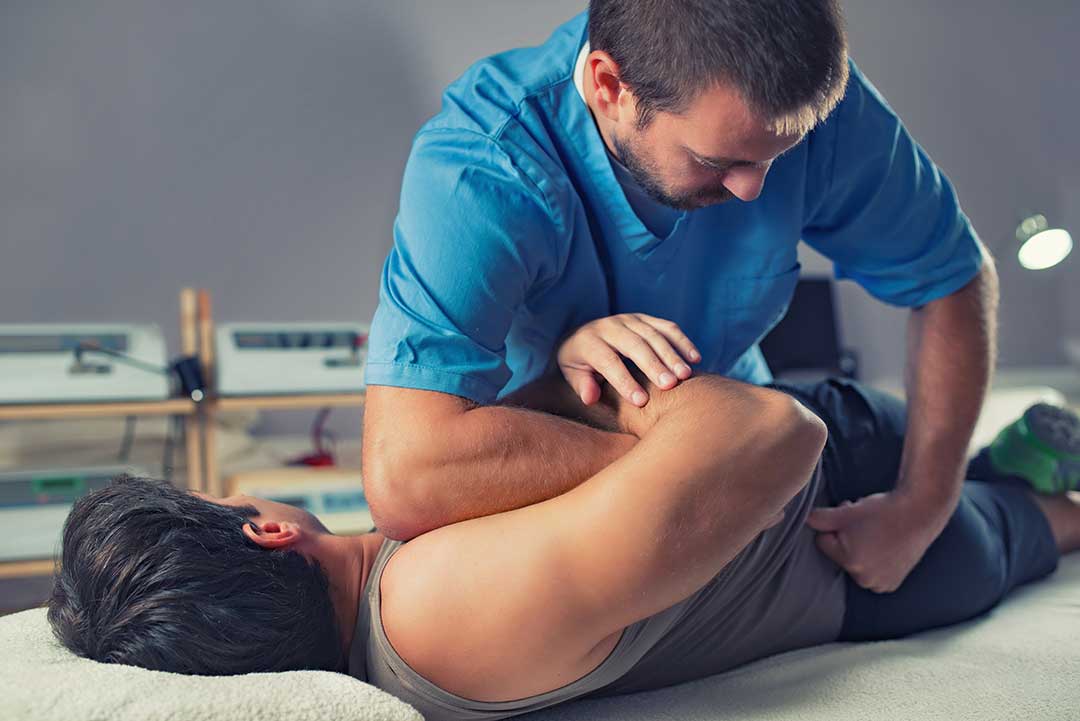
These steps are especially valuable for local residents traveling in winter, when bulkier gear and unpredictable weather challenge even the most careful plans.
How Can You Safely Lift Luggage or Heavy Bags?
Safe lifting can be overlooked, but minor mistakes often lead to pain. First, stand close to the bag with feet shoulder-width apart. Bend at the knees and hips, not the waist, keeping the load close to the body. Avoid twisting your torso—step your feet instead of rotating while holding a bag. When possible, slide bags rather than lift them from awkward positions, such as car trunks or overhead bins. For families with young children, encourage kids to use small, manageable bags and ask for help with anything heavy.
What About Preventing Pain on Multi-Day Trips or During Hotel Stays?
Rest is an essential, often ignored, part of travel recovery. Bringing a supportive pillow can help maintain spinal alignment in unfamiliar beds. If you experience discomfort after a long travel day, apply a warm compress or heating pad to the lower back, or walk for a few minutes in the hotel hallway to relieve stiffness. When possible, ask for extra pillows or blankets to bolster support in hotel chairs or beds.
Are There Weather-Specific Tips for the Lockport Community?
Lockport’s seasonal conditions influence travel comfort in unique ways:
- In winter, maintain core warmth—cold muscles are more prone to stiffness and strain.
- Allow time to brush off cars and clear walkways to avoid rushing while bent over or carrying heavy bags.
- On rainy or muddy days, use extra caution when loading or unloading, as tense muscles and slippery surfaces increase risk.
Local residents planning summer road trips or air travel should bring a water bottle; staying hydrated helps keep joints and muscles supple.
What If Pain Persists After Traveling?
Most travel-related lower back pain resolves within a few days with gentle movement and attentive self-care such as stretching and warm packs. If discomfort lingers or intensifies—especially with numbness, leg weakness, or severe pain—further assessment may be necessary, since these symptoms are less common and not typically related to routine soreness. For minor aches, consider adjusting future travel routines to reduce ongoing discomfort.
